
Across cultures and throughout time, the early postpartum period has been recognised as a threshold of profound physical, spiritual and emotional transition, one that calls for rest, containment, nourishment, and experienced hands.
These in-home care offerings are guided by traditional postpartum wisdom and supported by a physiological understanding of recovery in the fourth trimester. They draw from cross-cultural practices that prioritise warmth, stillness, food as medicine, bodywork, and the steady reassurance of being looked after.
Each package is designed to honour what modern life often overlooks: that healing is not meant to be rushed, and that mothers and families thrive when they are supported in ways that are both practical and deeply restorative.
Explore the offerings below to find the level of care that aligns with your needs in your season of Matrescence.
In-Home Postpartum Care
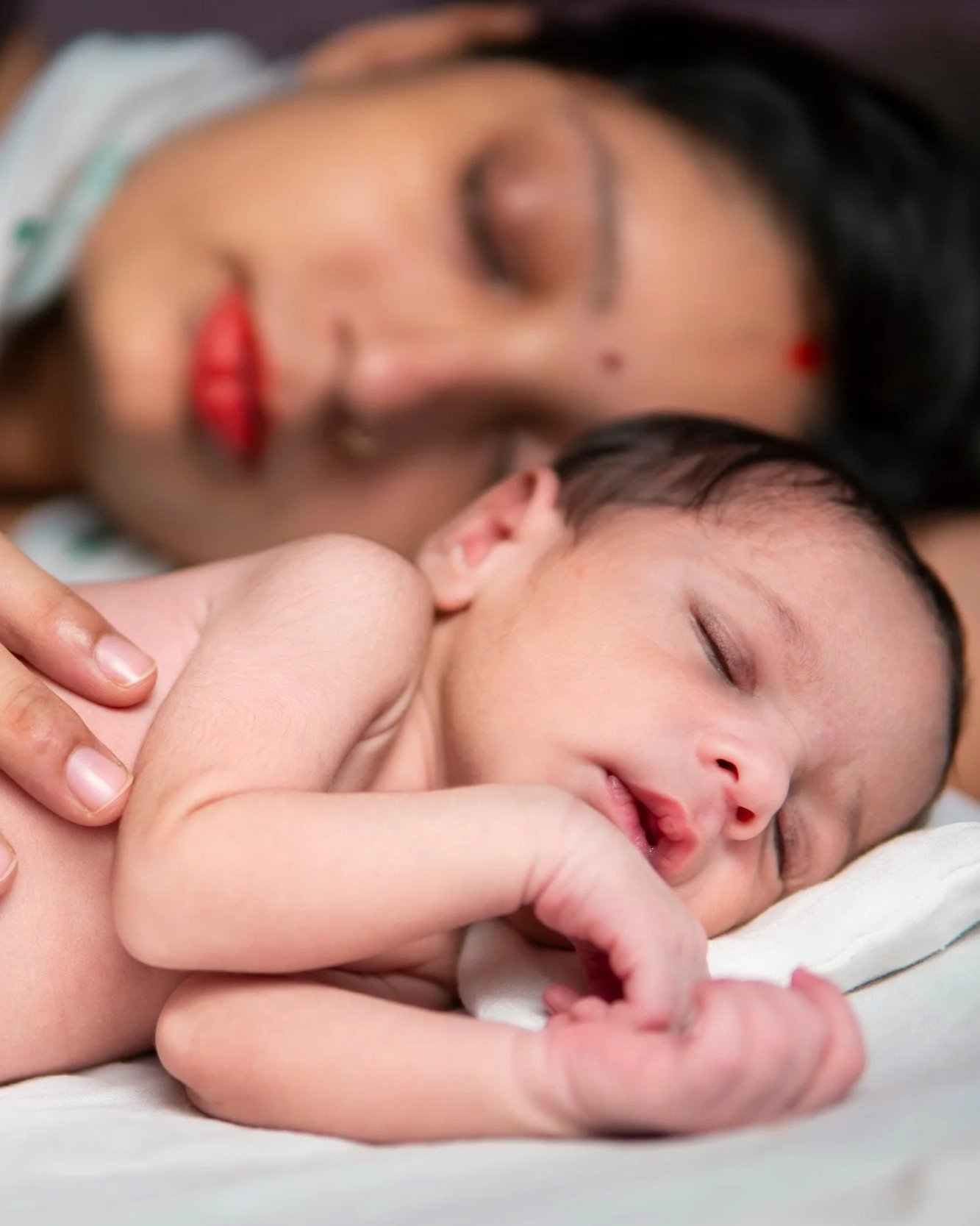
-
![Closing of the Bones]()
Closing of the Bones
-
![The Golden Month ~ 4 Week Postpartum Care Package]()
The Golden Month ~ 4 Week Postpartum Care Package
-
![The First 40 Days ~ 6 Week Postpartum Care Package]()
The First 40 Days ~ 6 Week Postpartum Care Package
-
![The Fourth Trimester ~ 12 Week Postpartum Care Package]()
The Fourth Trimester ~ 12 Week Postpartum Care Package
-
![One-Off Home Visit]()
One-Off Home Visit
-
![Postpartum Planning Session]()
Postpartum Planning Session
The postpartum season can bring many questions. Here are some common questions and answers to help you feel more informed, supported and prepared as you move toward life after birth. Further questions are always welcome.
-
Every postpartum experience is personal. Each mother has her own journey, needs and rhythm, and these needs can change from day to day. For this reason, no two home visits will look exactly the same.
Rather than following a fixed template, each visit is shaped around what you need most on the day.
Above all, a home visit is about supporting you. Our role is not to replace the mother, but to mother the mother. The intention is to help create an environment where you feel rested, nourished and supported, so you and your baby can bond and settle into life together.
If you would like more specifics about in-home care, please reach out.
-
Mother Hearth home visits are non-medical and do not replace your midwife, GP, lactation consultant, mental health professional or other healthcare provider.
Home visits do not include medical diagnosis or medical advice, full house cleaning, or babysitting for older children.
Light household support may be included, such as dishes, folding laundry or gently tidying the space, but the focus of each visit remains centred on caring for the mother. Where possible, older siblings are best cared for by another support person while I am with you.
-
The best time to book is during pregnancy, ideally before the final weeks, so your postpartum support can be planned before baby arrives.
For planning sessions, the second or early third trimester is a beautiful time to begin. For in-home care, booking ahead allows us to understand your needs and prepare the right support for you.
If your baby has already arrived, it is not too late. You are always welcome to reach out.
-
In-home care can begin once you are home after birth, or immediately in the case of a home birth, depending on your needs and availability. It can also be planned during pregnancy so support is ready when baby arrives.
-
Yes, postpartum care can be a beautiful and practical gift for a new mother. It is best to check what type of support she would feel comfortable receiving.
-
It is understandable to feel this way. In our current culture, care for the mother is often seen as optional, when in truth, it has always been essential.
We were never meant to mother alone. For most of human history, new mothers were surrounded by family, community, food, practical help and emotional support. Modern life has moved many families away from that village, leaving mothers to carry far more than they were ever intended to hold by themselves.
Hiring postpartum support is not indulgent. It is a thoughtful investment in your recovery, your wellbeing, your baby’s early experience, and the emotional health of your whole family.
A postpartum doula does not replace your partner, family or medical team. She helps fill the gap where practical, emotional and nurturing support may be missing. If you do not have a nearby support network who can truly show up in the way you need, postpartum care can be a beautiful and deeply practical way to be held through this season.
You deserve support simply because you are a mother moving through one of life’s biggest transitions. Caring for you is not a luxury. It is part of caring for your baby.
-
The reality is that postpartum care is not currently affordable for every family. My hope is that, in time, this kind of care will be recognised as essential and made more widely available to all mothers. Until then, some families may simply not have the funds available, and that is important to acknowledge.
For families who do have some flexibility, it can be helpful to gently reassess spending priorities before baby arrives. Many expectant parents are encouraged to spend hundreds, sometimes thousands, on baby items, furniture, gadgets, clothing and accessories. While some of these things are useful, many experienced parents will tell you that babies often need far less “stuff” than we are led to believe.
Choosing second-hand items, accepting hand-me-downs, borrowing from friends or family, and sticking to the essentials can sometimes free up space in the budget for support that truly nurtures the mother and family during the early weeks after birth.
Another option is to ask friends, family or colleagues to contribute towards postpartum care as a baby shower gift. Rather than more clothing, toys or baby items, this gives loved ones a meaningful way to support your recovery, nourishment and wellbeing.
Postpartum care is not about indulgence. It is about being held through one of life’s biggest transitions, in a way that supports both mother and baby.